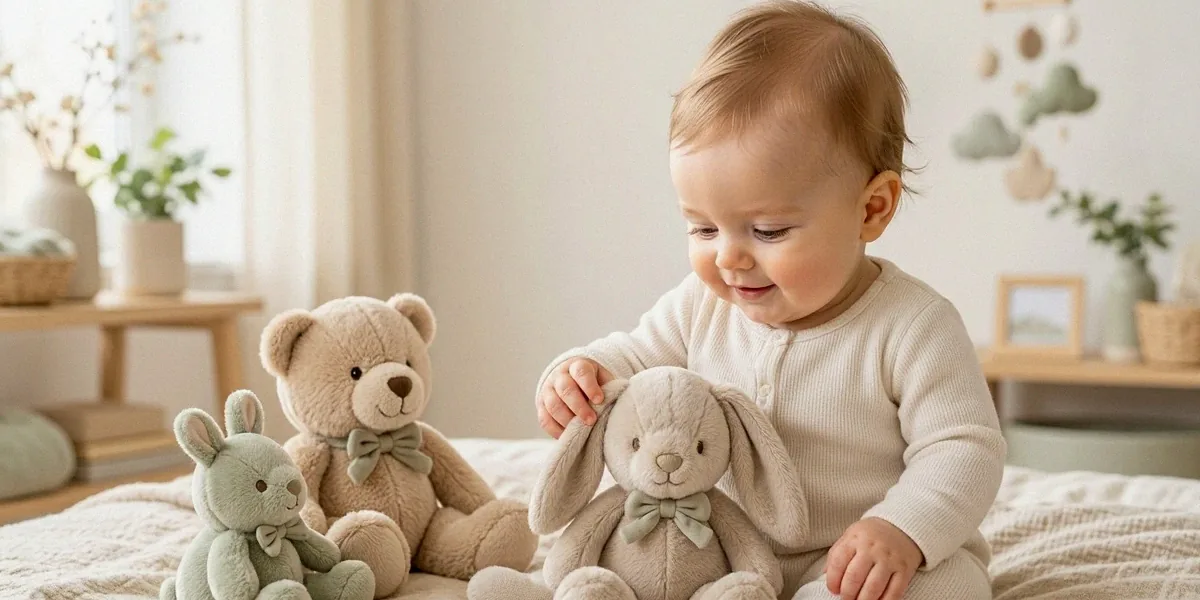
New Baby Gifts: Choosing Safe Soft Toys
Few shopping trips are quite as nerve-wracking as choosing a gift for a brand-new baby. We have all stood in that aisle, staring at a wall of teddy bears, wondering which one is soft enough, safe enough, and special enough to mark such a big moment. Soft toys are the classic answer for good reason: they comfort, they last, and they often become the thing a child refuses to sleep without. But because babies chew, cuddle, and drag their toys everywhere, safety has to come first. Here is how we choose soft toys that are genuinely safe, from the materials inside them to the markings on the label.
Why Soft Toys Make Perfect New Baby Gifts
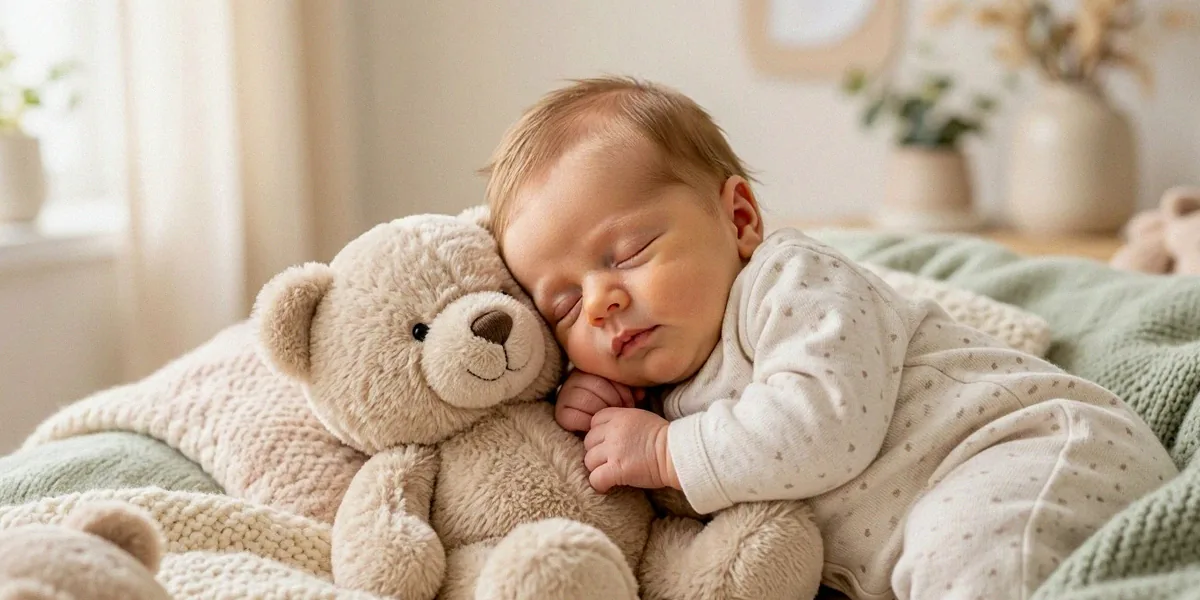
Soft toys work on two levels. Practically, they are suitable from birth, need no batteries, and fit any budget, from a few pounds to a proper heirloom piece. Emotionally, they become part of the family. Parents rarely remember who bought the babygrow that was outgrown in three weeks, but they remember the bear that has been everywhere from first holidays to first days at school.
Quality matters here, and the UK has some excellent names to choose from. Jellycat is a British brand known for luxurious soft toys popular as baby gifts, with famously squidgy textures and a huge range of animals. Steiff, a German brand, is renowned for high-quality, safe soft toys and is widely available in the UK, and its pieces often get handed down between siblings.
The Comfort Factor: How Soft Toys Soothe Babies
A familiar soft toy gives a baby something constant in a world of new faces, new rooms, and new routines. The weight and texture are calming during nappy changes, car journeys, and bedtime. For this reason, we look for toys with a gentle, even stuffing and no scratchy tags or stiff seams, since these are the details a baby notices most.
Keepsakes and Memories: Long-Term Value of Quality Soft Toys
A well-made soft toy can survive years of washing and still look presentable on a shelf. That is why we lean towards brands with a reputation for durability rather than novelty. A Steiff bear or a classic Jellycat bunny often ends up as a christening or first birthday keepsake, which makes the slightly higher price easier to justify as a group gift.
UK Safety Standards for Soft Toys: What You Need to Know
This is the part that matters most, and thankfully the rules are clear. All soft toys sold in the UK must comply with EN71 safety standards and carry CE or UKCA markings. EN71 is the European toy safety standard that the UK retained after Brexit, and it covers everything from how firmly eyes are attached to how a toy behaves near a flame. If a soft toy is sold in a UK shop or on a UK website, it should meet these requirements, whether it costs £5 or £50.
Understanding CE and UKCA Markings
The CE mark shows a product meets EU safety rules, while the UKCA (UK Conformity Assessed) mark is the equivalent for the Great Britain market. You will often see both on packaging during the current transition period. What matters for gift buyers is simple: the toy should carry at least one of these marks, along with the manufacturer or importer’s details and any age warnings.
Key Tests: Flammability, Toxicity, and Small Parts
EN71 testing covers several areas that are directly relevant to babies:
- Flammability: fabrics must resist catching fire quickly, which is why untreated cheap fur can fail.
- Toxicity: dyes, paints, and fillings must be free from harmful substances, since babies mouth everything.
- Small parts: buttons, eyes, and noses are pulled and twisted to check they cannot come loose and become a choking hazard.
- Sharp edges and points: wires, tags, and internal frames are checked for anything that could scratch or poke.
Reputable retailers do this filtering for you. John Lewis is a major UK retailer offering a wide range of soft toys that meet safety regulations, so buying from an established store is one of the simplest ways to shop with confidence.
Materials and Construction: What to Look For
Once you know a toy is compliant, the next question is what it is made from. We prefer natural fabrics where possible, particularly for newborns, and we always check how the face is put together.
Fabric Choices: Organic vs. Synthetic
Organic cotton is breathable, gentle on sensitive skin, and free from the pesticide residues that can linger in conventional cotton. Brands like Little Green Radicals and Under the Nile are good examples of companies built around organic and fair-trade materials. Synthetic plush, such as polyester fleece, is not automatically a problem, and many Jellycat designs use it to achieve that signature softness, but it can trap heat and pill over time. Hypoallergenic fillings are worth seeking out for babies with eczema or allergies.
Stitching and Embellishments: Avoiding Choking Hazards
Embroidered eyes and mouths are safer than plastic or button versions because there is nothing to detach. If a toy does have plastic eyes, give them a firm tug in the shop, and check the seams along arms, ears, and tails for gaps where stuffing could escape. Ribbons, bells, and glued-on decorations are best avoided for babies under twelve months.
Top UK Brands for Safe and Stylish Soft Toys
These are the names we return to again and again when buying for friends and family, because they combine safety compliance with designs people actually want on the nursery shelf.
Luxury Options: Jellycat and Steiff
Jellycat’s Bashful Bunnies and Odell Octopus are practically a rite of passage for UK babies, and the brand’s safety testing is thorough across its ranges. Steiff has been making toys since 1880 and its pieces, from the classic Teddy bear to smaller comforters, are built to last generations. Both are stocked by John Lewis, independent toy shops, and department stores nationwide.
Budget-Friendly Picks: Baby Gund and Mothercare
Baby Gund offers soft, well-tested toys at mid-range prices, including its popular Peek-a-Boo elephant and comforter blankets. Mothercare remains a dependable high-street option for affordable newborn soft toys, and supermarket own-brand ranges from the likes of Tesco and Sainsbury’s are also EN71 compliant if you need a quick, inexpensive gift.
Personalised Soft Toys: Adding a Special Touch
An embroidered name or birth date turns a nice gift into a genuinely memorable one, and it is one of the most requested options we see for new baby presents. The key is making sure the personalisation is stitched into the fabric rather than printed or attached as a separate patch that could peel or be pulled off.
Safe Personalisation Methods
Embroidery directly onto the toy, or onto a detachable tag that is securely stitched, is the safest route. Avoid iron-on transfers and glued letters, which can lift after a few washes. My 1st Years is a UK company specialising in personalised baby gifts, including soft toys, and it embroiders names and dates directly onto the fabric. Not On The High Street is another good source, with many small UK makers offering embroidered bears, bunnies, and comforters.
Popular Personalised Soft Toy Ideas
- A classic teddy with the baby’s full name and birth date embroidered on a paw.
- A bunny comforter with initials only, so it can be passed to a sibling later.
- A birth-statistics bear showing weight, time, and date of arrival.
- A matching pair of small and large toys, one for the pram and one for the cot.
Caring for Soft Toys: Hygiene and Longevity
A soft toy that cannot be cleaned quickly becomes a health hazard, especially once a baby is chewing on it daily. Always read the care label before buying, and check whether the toy is machine washable at 30°C, surface wash only, or hand wash.
Washing Guidelines for Different Materials
Most polyester plush toys can go in the machine on a gentle cycle at 30°C inside a pillowcase, then air dry away from direct heat. Organic cotton toys often tolerate the same treatment but may shrink slightly. Wool and mohair, common in Steiff pieces, usually need hand washing or professional cleaning. If a toy has a music box or squeaker inside, it is surface wash only.
When to Replace a Soft Toy
Retire a toy if seams have split and stuffing is escaping, if eyes or noses are loose, or if it smells musty after washing, as damp filling can harbour mould. For babies under twelve months, we replace rather than repair, because a home repair is rarely strong enough to survive a determined chew.
FAQ
Are soft toys safe for newborns?
Soft toys are safe for newborns to cuddle and hold, but they should be kept out of the cot while a baby sleeps. The Lullaby Trust advises keeping cots clear of toys, pillows, and loose bedding to reduce the risk of suffocation. Once your baby is older, a small comforter can be introduced at sleep times under supervision.
How do I check if a soft toy meets UK safety standards?
Look for the CE or UKCA mark on the label or packaging, along with the manufacturer’s name and address and any age warnings. All soft toys sold in the UK must comply with EN71 safety standards and carry CE or UKCA markings, so if neither mark is present, do not buy it.
What is the safest filling for a baby’s soft toy?
Hypoallergenic polyester filling is the most common and is generally safe, provided it is securely enclosed. Some parents prefer natural fillings like organic cotton or wool, which breathe well but need more careful washing. The priority is that the filling cannot escape through seams.
Can I put a soft toy in the washing machine?
Many are machine washable, but always check the care label first. Use a gentle 30°C cycle, place the toy inside a pillowcase or laundry bag, use a mild detergent, and air dry thoroughly. Toys with electronic parts or music boxes should be surface washed only.
Where can I buy safe soft toys in the UK?
John Lewis, Mothercare, and independent toy shops are reliable choices, as are the brands’ own websites. For personalised options, My 1st Years and Not On The High Street both offer embroidered soft toys made to UK safety standards.
Choosing a soft toy is really about choosing something a family will keep. By checking for CE or UKCA markings, favouring embroidered features and secure stitching, and picking brands with a proven safety record, you give a gift that is both thoughtful and genuinely safe. We would love to hear your own tips, so if you have a favourite UK soft toy brand or a washing trick that saved a beloved bear, share it with us in the comments.



Post Comment