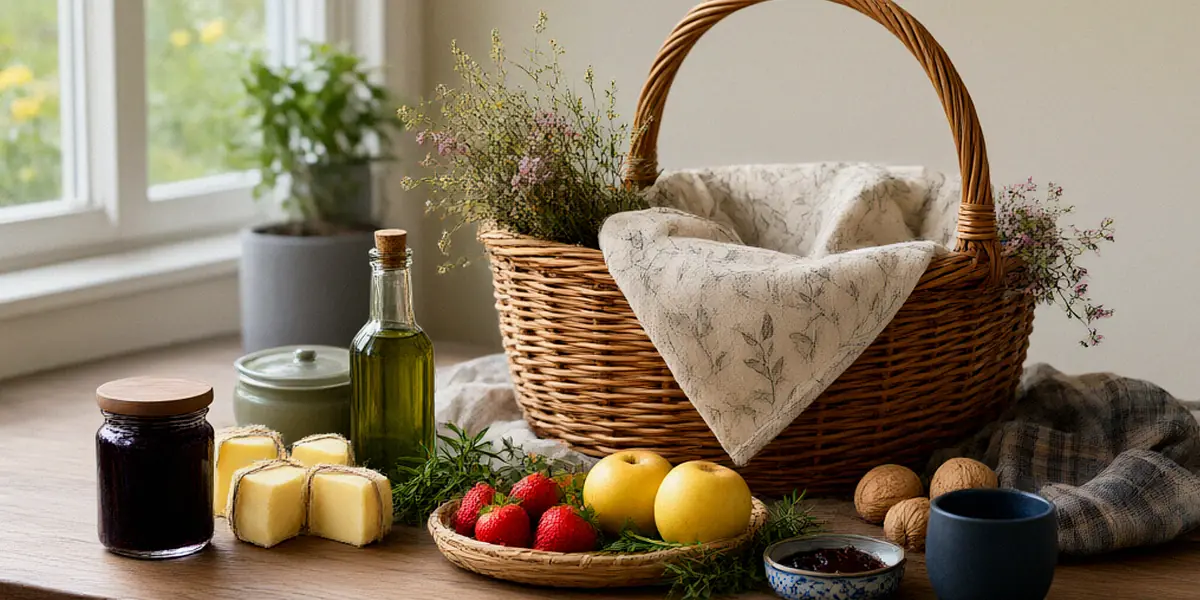
Building a Gift Hamper with Local British Produce
We have all been there. You need a gift for a friend, a colleague, or a family member, and nothing on the high street feels right. Another scented candle or generic box of chocolates simply will not do. This is where a hamper filled with local British produce comes in. It is personal, useful, and genuinely enjoyable. Instead of guessing at a present someone might never use, you are giving them a taste of the very best food and drink the UK has to offer. In this guide, our team walks you through why local produce makes the best hampers, what to include, and how to put one together that looks as good as it tastes.
Why Choose Local British Produce for Your Hamper?
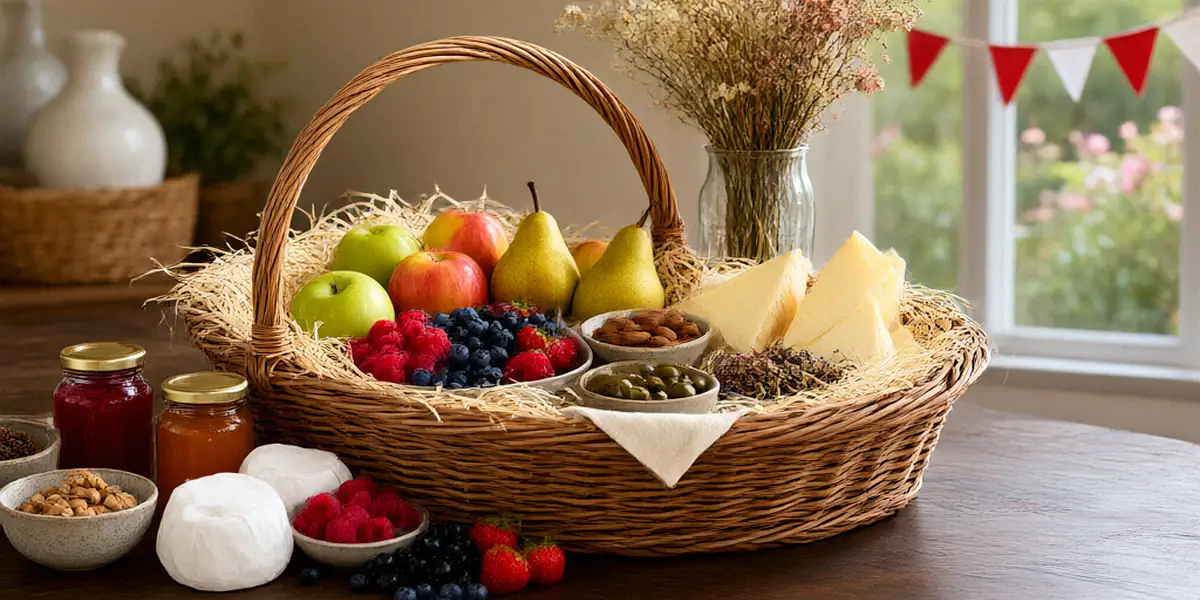
Choosing local British produce is about far more than patriotism. It is about quality, freshness, and knowing exactly where your gift has come from. When you buy from a farm shop in Somerset or a deli in Yorkshire, you are getting food that has often travelled just a few miles rather than thousands. That difference shows up on the plate.
British food also carries serious heritage. Stilton cheese has Protected Designation of Origin (PDO) status in the UK, which means it can only be produced in specific counties under strict traditional methods. Melton Mowbray pork pies hold the same protected regional speciality status. These are not just products, they are pieces of British food culture, and they make a hamper feel far more special than a supermarket multipack.
Supporting UK Farmers and Artisans
Every pound spent with a local producer stays in the community. Small farms, family dairies, and independent jam makers rely on direct sales to keep going. When you build a hamper from these sources, you are helping to keep traditional skills alive, from hand-churned butter to slow-cured meats. We think that is a gift worth giving in itself.
The Freshness Factor: Taste the Difference
Mass-produced food is often designed for shelf life, not flavour. Local produce is the opposite. A wedge of West Country Cheddar cut days ago tastes sharper and creamier than one that has sat in a warehouse for weeks. The same goes for bread, preserves, and smoked fish. Freshness is the single biggest reason a local hamper outperforms a generic one.
Sustainability and Reduced Food Miles
Food miles matter. Imported goods often travel by air or long-haul shipping, generating significant carbon emissions. Buying British shortens that journey dramatically. Many local producers also use minimal, recyclable packaging. If you want a gift that feels responsible as well as thoughtful, a locally sourced hamper is a strong choice.
Essential Components of a British Produce Hamper
A good hamper needs balance. You want savoury and sweet, soft and crunchy, and something to drink. We usually aim for five core categories: cheese and dairy, meats and savouries, sweet treats, preserves, and beverages. Here is how we break it down.
Cheese and Dairy: From Stilton to Wensleydale
Cheese is the backbone of any British hamper. We recommend including three varieties for contrast:
- A blue such as Stilton, ideally from Nottinghamshire, Derbyshire, or Leicestershire
- A hard cheese like Somerset Cheddar or a crumbly Lancashire
- A softer option such as Wensleydale or a creamy Brie-style cheese
Add a small pot of chutney and a packet of oatcakes, and you have a course in itself.
Meats and Savouries: Pork Pies and Scotch Eggs
Melton Mowbray pork pies are a protected regional speciality and a must for any savoury hamper. Their hand-raised pastry and seasoned filling are unmistakable. Alongside them, consider good quality Scotch eggs, cured ham from Yorkshire, or a small salami from a British charcuterie producer. These items add substance and make the hamper feel like a proper meal.
Sweet Treats: Biscuits, Cakes, and Preserves
Scottish shortbread is a classic for good reason, buttery, crumbly, and long-lasting. Pair it with:
- A jar of Yorkshire rhubarb jam or lemon curd
- Handmade fudge from Cornwall or Devon
- A small fruit cake or flapjack
- Chocolate from a British artisan maker
These items fill gaps in the basket and give the recipient something to enjoy with a cup of tea.
Drinks: Teas, Gins, and Ales
No hamper is complete without a drink. Tregothnan in Cornwall produces the only British-grown tea, which is a genuine conversation starter. For something stronger, look at small-batch gins from distilleries in Scotland, England, or Wales, or a few bottles of real ale from a regional brewery. Include one hot drink and one alcoholic option if your budget allows.
Regional Specialities to Showcase Across the UK
One of the joys of a British hamper is that it can tell a story about a place. If you want to build a hamper with a regional theme, here are some standout specialities from across the UK.
South West England: Clotted Cream and Cider
Cornwall and Devon are famous for clotted cream. Rodda’s clotted cream from Cornwall is a well-known British brand and a perfect partner for scones and jam. Add a bottle of West Country cider, some Cornish sea salt, and perhaps a Tregothnan tea, and you have a hamper that captures the south west beautifully.
Wales: Laverbread and Welsh Cakes
Welsh laverbread, made from seaweed, is a traditional delicacy often served with bacon. Welsh cakes, lightly sweetened and cooked on a griddle, are a gentler introduction for anyone unfamiliar with Welsh food. A small jar of honey from Welsh hills completes the picture.
Scotland: Smoked Salmon and Shortbread
Scottish smoked salmon is world-renowned, and for good reason. Pair it with oatcakes, a jar of heather honey, and a box of traditional shortbread. If you want to push the boat out, add a small bottle of Scotch whisky from a Speyside or Highland distillery.
Northern Ireland: Soda Bread and Whiskey
Northern Irish soda bread is simple, hearty, and best eaten fresh with butter. Include a loaf or a mix, along with a bottle of Irish whiskey and some handmade preserves. It is a warm, comforting hamper that suits colder months especially well.
How to Assemble and Present Your Hamper
Presentation matters. A well-arranged hamper feels considered, while a jumbled one looks like a shopping bag. Here is how we approach it.
Choosing the Right Container
Wicker baskets are the traditional choice and look excellent. Wooden crates offer a rustic feel and are sturdy for heavier items. Reusable boxes or fabric-lined trays are a practical option that the recipient can keep. Whatever you choose, make sure it is deep enough to hold everything without items spilling over the sides.
Arranging for Visual Appeal
Start with the heaviest items at the back and centre, such as bottles and jars. Build outwards with lighter items like biscuits and tea. Use shredded paper or fabric offcuts as eco-friendly padding to fill gaps and stop items shifting. Group similar colours and textures together where possible, and angle labels so they can be read easily.
Adding Personal Touches
A handwritten note is the simplest way to make a hamper feel personal. Mention why you chose a particular item, or suggest how to enjoy it. You could also add a small card listing the producers and where each item came from, which turns the hamper into a mini food tour.
Where to Buy Local British Produce for Hampers
You do not need to travel the whole country to build a great hamper. There are excellent sources close to home and online.
Farmers’ Markets and Farm Shops
These are our first stop. You can taste before you buy, ask questions, and often find items you will not see anywhere else. Many farm shops also sell ready-made hampers or will help you assemble one.
Speciality Delis and Online Retailers
Borough Market in London is a renowned source for British artisan produce, and it is worth a visit if you are nearby. Online, retailers like Borough Box and Fine Cheese Co. offer curated British ranges and hamper-building services. Many regional producers also ship directly.
Pre-Made Hampers vs DIY
Pre-made hampers save time and are usually well presented. DIY hampers are more personal and often better value. If you are short on time, buy a pre-made base and add one or two personal items. If you have a free afternoon, build from scratch, it is more fun than you might expect.
Occasions and Budgets for British Produce Hampers
Hampers suit almost any occasion, and you can tailor them to almost any budget.
Christmas and Seasonal Gifting
Christmas is peak hamper season. Traditional Christmas hampers often include mince pies, Christmas pudding, and mulled wine spices. Add a small Stilton and some oatcakes for a complete festive spread.
Birthdays and Anniversaries
For birthdays, lean towards the recipient’s tastes. A gin lover will appreciate a small-batch bottle and tonic syrups. For anniversaries, consider a luxury hamper with smoked salmon, Champagne-style sparkling wine, and artisan chocolate.
Corporate and Thank-You Gifts
Corporate hampers should be broadly appealing, so avoid anything too niche. A mix of tea, biscuits, cheese, and preserves works well. Thank-you hampers can be smaller and more personal, perhaps focused on one region or one favourite treat.
On budget, we usually think in three tiers:
- Under £30: a small basket with tea, biscuits, and a preserve
- £30 to £60: a mid-range hamper with cheese, chutney, and a drink
- £100 and above: a luxury hamper with multiple cheeses, smoked salmon, gin or whisky, and premium sweets
A locally sourced British hamper is one of the most thoughtful gifts you can give. It supports UK farmers and small producers, reduces food miles, and gives the recipient a genuine experience rather than another forgotten present. Whether you build it yourself or buy from a specialist, the effort shows, and that is what makes it memorable.
FAQ
What should I put in a British produce hamper?
We recommend a balance of cheese, savoury items like Melton Mowbray pork pies, sweet treats such as Scottish shortbread, preserves, and a drink. Tregothnan tea or a small-batch gin works well.
Where can I buy local British produce for hampers?
Farmers’ markets, farm shops, and speciality delis are excellent. Online, Borough Box and Fine Cheese Co. offer curated British ranges. Borough Market in London is a renowned source if you can visit in person.
How much should I spend on a gift hamper?
You can build a lovely hamper for under £30 with tea, biscuits, and a preserve. Mid-range hampers sit between £30 and £60, while luxury hampers with smoked salmon, multiple cheeses, and spirits start around £100.
Are British produce hampers good for Christmas gifts?
Yes, they are one of the most popular Christmas gifts in the UK. Add mince pies, Christmas pudding, and a small Stilton to make it feel properly festive.
How do I present a hamper attractively?
Use a wicker basket or wooden crate, place heavy items at the back, and use shredded paper or fabric offcuts as eco-friendly padding. A handwritten note adds a personal touch that recipients remember.


Post Comment