
Personalised Gifts That Don’t Feel Gimmicky
We’ve all been there. You unwrap a gift, see your name printed in a swirly font on something you’d never choose for yourself, and muster a grateful smile while wondering where on earth it will live. Maybe it’s a mug with your name and a cartoon character you haven’t thought about since primary school, or a cushion embroidered with a quote that has nothing to do with your life. The intention was lovely — the execution missed the mark. That’s exactly why our team set out to find personalisation that actually feels thoughtful, not like a rushed add-on from a gift shop kiosk. This guide is the result of that hunt: what works, what doesn’t, and where UK shoppers can find personalised gifts worth giving.
Why Most Personalised Gifts Fall Flat

The problem is rarely the idea of personalisation itself. It’s the way it’s done. Too often, a name or date is slapped onto a generic product with no thought for how it fits the recipient’s life, home, or taste. Rushed engraving, flimsy materials, and template designs that look identical to thousands of others all contribute to that sinking feeling when a gift is opened. The numbers back this up: according to a 2023 UK survey by GiftCardGranny, 42% of Brits have received a personalised gift they never used. That’s nearly half of us, which tells you something is going wrong between good intentions and final product.
The ‘Name on Anything’ Trap
There’s a temptation to believe that any object becomes meaningful once a name is added. It doesn’t. A name on a novelty apron, a plastic keyring, or a phone case in a colour nobody would pick doesn’t suddenly become sentimental — it becomes clutter with extra steps. The trap is treating personalisation as a substitute for knowing the person. If the base product isn’t something they’d genuinely want, no amount of engraved lettering will save it.
Quality Over Quick Personalisation
Speed matters when you’re ordering gifts, but it shouldn’t come at the cost of craftsmanship. Cheap laser etching on thin wood, vinyl decals that peel within months, and printed mugs that fade after a few dishwasher cycles all signal the same thing: the personalisation was an afterthought bolted onto a budget item. Spending a little more on a well-made base product with a clean, simple engraving almost always beats a cheap item with elaborate personalisation.
What Makes Personalisation Feel Genuine
When personalisation works, it’s because it reflects something real about the recipient — a hobby, a milestone, an inside joke, a place they love. The design stays subtle, letting the object itself carry the weight, and the craftsmanship is good enough that the item would be worth owning even without the personal touch. UK brands like Emma Bridgewater and Not On The High Street have built their reputations on getting this balance right, offering pieces that feel considered rather than mass-produced.
Thoughtful Details Over Bold Branding
A small engraving on the underside of a bowl, a discreet embroidered initial on a blanket’s corner, a date stamped subtly on a wooden board — these are the details that feel intimate rather than performative. Bold, oversized personalisation tends to shout, while small, well-placed details whisper. For most recipients, the whisper is what they’ll treasure.
Materials That Age Well
Personalised gifts are often kept for years, so the material matters enormously. Solid oak, beech, and acacia chopping boards develop a patina with use. Cotton and linen soft toys soften rather than shed. Ceramic and stoneware homeware holds its colour far better than printed plastics. Choosing materials that improve with age means the gift grows more meaningful over time instead of looking tired by next Christmas.
Our Favourite Non-Gimmicky Personalised Gift Ideas
After testing and comparing options across the UK market, a few categories consistently stand out. Each of these works because the base product is genuinely useful or beautiful, and the personalisation enhances rather than rescues it.
Personalised Chopping Boards for Foodies
An engraved chopping board is one of the most reliable personalised gifts you can buy. John Lewis stocks a strong range of wooden boards that can be engraved with a name, date, or short message, and they’re built to last. For anyone who cooks regularly, a board that doubles as a serving platter for cheese or charcuterie gets used constantly — which means the personal touch is seen and appreciated again and again, not tucked away in a drawer.
Soft Toys with Sentimental Value
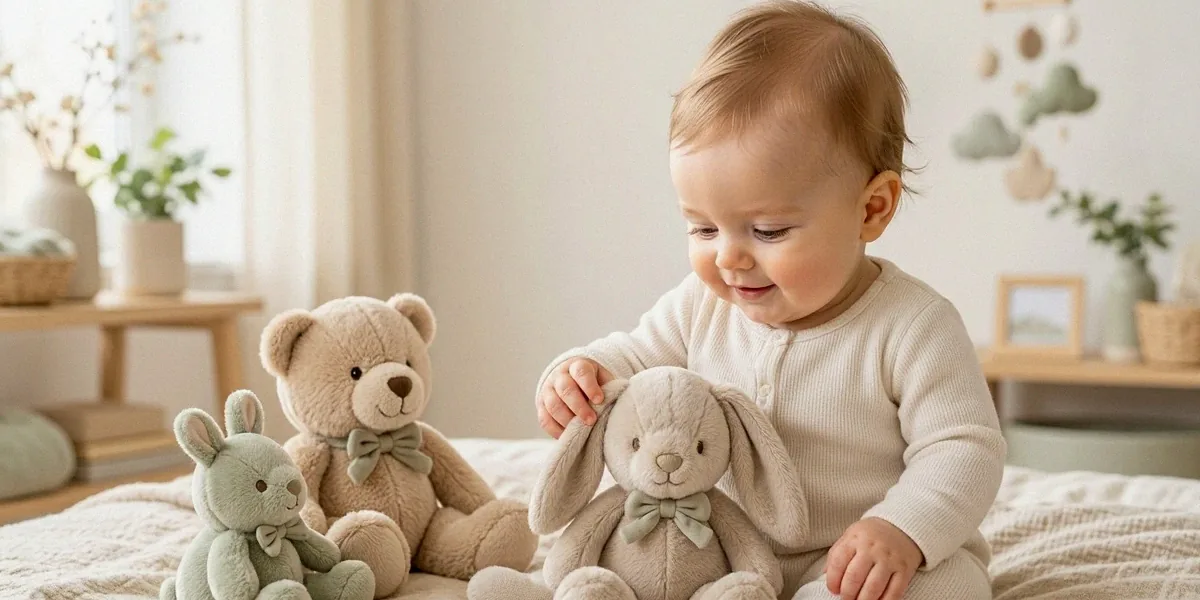
Jellycat offers a personalised soft toy range that’s become hugely popular in the UK, and it’s easy to see why. These aren’t the stiff, scratchy teddies of decades past — they’re soft, well-made, and genuinely lovely to hold. Adding a child’s name or a birth date turns an already charming toy into a keepsake. For christenings, first birthdays, or new babies, a personalised Jellycat is the kind of gift that gets photographed, treasured, and occasionally fought over at bedtime.
Homeware That Feels Curated, Not Crafty
Monogrammed homeware from The White Company sits at the opposite end of the spectrum from craft-fair clutter. A set of monogrammed towels, a linen throw with a single embroidered initial, or a candle holder engraved with a house number all feel like pieces someone would have chosen for themselves. The key is restraint: one initial, one clean font, one well-made object.
How to Personalise Without Overdoing It
Restraint is the single most important skill in choosing a personalised gift. UK shoppers spent £2.3 billion on personalised gifts in 2023, according to Statista, which means there’s no shortage of options — and no shortage of ways to get it wrong. A few simple rules keep you on the right side of taste.
- Limit personalisation to one or two initials, or a single short word
- Choose timeless serif or clean sans-serif fonts over script or novelty typefaces
- Match the piece to the recipient’s existing home aesthetic — minimal, traditional, or modern
- Avoid dates unless they mark something genuinely significant
- Skip quotes and slogans; they date quickly and rarely suit the recipient’s voice
Fonts and Engravings That Last
Font choice matters more than most people realise. A classic serif or a simple sans-serif will still look appropriate in twenty years. Heavy script, novelty fonts, and all-caps block lettering tend to feel dated within a season. If you’re unsure, ask the retailer what their most popular engraving style is — most reputable UK makers will steer you well.
Colour Palettes for UK Homes
Neutral tones — oatmeal, sage, charcoal, navy, and warm white — work in the widest range of UK homes and photograph beautifully. Bright primary colours and heavily patterned designs are harder to place and often end up relegated to a cupboard. When in doubt, choose the quieter option.
Where to Shop for Thoughtful Personalised Gifts in the UK
The UK has an excellent range of retailers and independent makers doing personalisation properly. Not On The High Street remains one of the best starting points, with thousands of small makers and a strong review system. Etsy UK sellers with hundreds of positive reviews are another reliable route, particularly for niche items. Oliver Bonas and similar independent shops offer a smaller but carefully curated selection that often feels more distinctive than mass-market options.
High Street vs. Independent Makers
High street retailers offer convenience, predictable quality, and easy returns. Independent makers offer originality, often better craftsmanship, and the chance to request something truly bespoke. If you have time, independents usually win on thoughtfulness. If you’re short on time, a well-chosen high street piece still beats a rushed custom order.
Supporting British Craftsmanship
Buying from UK-based makers means shorter delivery times, easier communication, and the knowledge that you’re supporting small businesses. Many British workshops specialise in engraving, embroidery, or ceramics and will happily discuss custom requests before you order.
Making the Personalisation Process Stress-Free
Even the best-laid gift plans can go sideways, especially around Christmas. Royal Mail’s 2023 Christmas delays affected 1 in 5 personalised gift orders, which is a reminder that timing and communication matter as much as design.
Timing Your Order for UK Delivery
Order at least three to four weeks before you need the gift, particularly in November and December. Personalised items usually add several days to standard dispatch times, and Royal Mail and courier networks slow dramatically in the run-up to Christmas. If a retailer can’t confirm a dispatch date, assume the worst and order earlier.
What to Do If It Goes Wrong
Check the spelling twice before confirming — most makers won’t refund a misspelt name that was entered correctly by them. Confirm the returns policy before ordering, since personalised items are often exempt from standard returns. If a delivery is delayed, contact the retailer early rather than waiting; many will upgrade shipping or offer a digital gift note to bridge the gap.
FAQ
Are personalised gifts worth the extra cost?
They can be, if the base product is something the recipient would genuinely use or love. The personalisation should enhance a good gift, not rescue a poor one. When chosen well, the emotional value far outweighs the modest price premium.
What’s the most reliable personalised gift for someone I don’t know well?
An engraved chopping board or a monogrammed homeware piece in a neutral colour are both safe bets. They’re useful, tasteful, and don’t require deep knowledge of the recipient’s personal style.
How far in advance should I order personalised gifts?
Three to four weeks is a comfortable buffer for most UK retailers. During peak periods like Christmas, allow six weeks if possible, given that Royal Mail delays affected 1 in 5 personalised orders in 2023.
Can I return a personalised gift if it’s not right?
Usually not, unless the item is faulty or the personalisation was incorrect due to the seller’s error. Always check the returns policy before ordering, and double-check spelling and details before confirming.
Which UK retailers do personalisation particularly well?
Not On The High Street, Emma Bridgewater, John Lewis, The White Company, Oliver Bonas, and Jellycat’s personalised soft toy range are all strong choices. Etsy UK sellers with consistently high reviews are also worth exploring for something more unusual.
Personalised gifts don’t have to be gimmicky. When they’re tied to something real about the recipient, made from materials that last, and kept subtle in design, they become the gifts people actually keep. We’d love to hear your own success stories — the engraved board that gets used every Sunday, the soft toy that’s become a child’s constant companion, the monogrammed throw that’s survived five house moves. Share them with our team, and help us keep the bar high for thoughtful personalisation across the UK.


Post Comment