Gift Etiquette for Weddings, Baby Showers and Housewarmings: A UK Guide
The invitation lands on the doormat, the date goes in the calendar, and then the panic sets in. Is a John Lewis voucher too impersonal for a close friend’s wedding? Is £50 enough for a colleague’s baby shower when you’ve only met her partner twice? And what on earth do you take to a housewarming when the hosts already seem to own everything? We’ve all been there. The good news is that UK gift etiquette is far less rigid than most people fear — it’s built on thoughtfulness, not price tags. In this guide, our team walks through what’s expected, what’s appreciated and what’s best avoided across all three occasions.
Wedding Gift Etiquette: What to Give and How Much to Spend
UK wedding gift norms have shifted noticeably over the past decade. Where guests once browsed a department store list and picked a toaster, many couples now ask for contributions towards a honeymoon, a first home deposit or a specific experience. John Lewis gift lists remain one of the most common UK wedding registry options, and most couples still include one alongside any cash fund. Etiquette here varies by relationship and region — a £200 gift from a parent reads very differently to a £60 gift from a work colleague — so use your connection to the couple as your main compass.
How Much Should You Spend on a Wedding Gift?
As a general rule, UK guests spend between £50 and £100 per person on a wedding gift. If you’re attending as a couple, that often means £100–£150 combined. Closer relationships — siblings, best friends, godparents — typically push towards the upper end or beyond, while plus-ones attending with a partner they barely know can comfortably sit at the lower end. If you’re travelling far or paying for accommodation, it’s perfectly acceptable to spend less. No reasonable couple expects a guest to go into debt for their big day.
Cash vs. Gift List: What UK Couples Really Want
Cash is now entirely acceptable at UK weddings, particularly when framed as a contribution to a honeymoon fund or house deposit. The trick is presentation. A plain envelope of notes handed over awkwardly feels transactional; a card with a handwritten note and a cheque, bank transfer reference or a contribution to a named fund feels considered. If the couple has a John Lewis gift list, use it — it exists precisely because they want those items. If they’ve asked for no gifts, respect that and give a card instead.
When to Send a Wedding Gift (Before or After the Big Day?)
Traditionally, wedding gifts were sent to the bride’s family home before the ceremony, but that custom has largely faded. Today, most UK couples receive gifts on the day itself or within a few weeks afterwards. If you’re buying from a registry, order early so it arrives before the wedding. If you’re giving cash or a voucher, bringing it to the reception is fine. If you can’t attend, sending a gift within a month of the wedding is perfectly polite.
Baby Shower Gift Etiquette: Practical Presents and Personal Touches
Baby showers have become far more common in the UK over the last fifteen years, though they remain less formal than weddings. Typical spend sits between £20 and £40, and the focus is on practical, useful items rather than grand gestures. Popular UK baby brands for shower gifts include JoJo Maman Bébé and Mothercare, both of which offer reliable, well-made pieces that new parents actually use. Unlike weddings, there’s rarely a formal registry — but if one exists, treat it as a strong hint.
Should You Buy from the Baby Registry?
Yes, whenever possible. A baby registry exists because the parents have thought carefully about what they need and, just as importantly, what they don’t. Buying off-registry risks duplicating items or adding clutter to an already overflowing nursery. If the registry is fully claimed, a gift card to the same retailer or a practical consumable — nappies in a larger size, muslins, baby toiletries — is always welcome.
Group Gifting: Splitting the Cost with Friends
Group gifting is a smart way to give something substantial without stretching anyone’s budget. A pram, a cot mattress or a high-quality baby carrier can easily be split between four or five friends, bringing each contribution down to £20–£30. Just make sure one person coordinates the purchase, collects the money in advance and includes a card signed by everyone.
Gifts to Avoid at a Baby Shower
- Newborn-sized clothing — babies outgrow it within weeks, so size 3–6 months is more useful.
- Soft toys in large quantities — most parents end up with more than they can store.
- Anything requiring batteries, assembly or ongoing cost without checking first.
- Pet-related or joke gifts unless you know the parents’ sense of humour very well.
- Items that presume the baby’s name, gender or feeding method before it’s confirmed.
Housewarming Gift Etiquette: Thoughtful Ideas for New Homes
Housewarming gifts sit in a comfortable middle ground: spend between £15 and £30, bring something consumable or decorative, and pay attention to the home’s existing style. UK favourites include a bottle of wine from Majestic, a houseplant from Patch, or a personalised door knocker or house sign. The best housewarming gifts are either used up (food, drink, candles) or genuinely enhance the space without adding clutter.
When to Bring a Housewarming Gift (And When Not To)
Bring a gift when you’ve been invited to a housewarming party, when you’re visiting a friend’s new home for the first time, or when a neighbour moves in and introduces themselves. You don’t need to bring anything if you’re simply popping round for a casual coffee months after they’ve settled in, or if the move was purely temporary.
Personalised Gifts That Won’t Clutter
Personalised items work beautifully for housewarmings when they’re functional. An engraved door knocker, a custom house number plaque or a set of monogrammed tea towels all earn their place. Avoid anything oversized, novelty-themed or likely to clash with the décor — understatement is the safer bet.
Hostess Gifts vs. Housewarming Gifts: What’s the Difference?
A hostess gift thanks someone for a specific evening — dinner, a party, a weekend stay — and is typically small and consumable, like flowers, chocolates or a nice bottle of wine. A housewarming gift celebrates a new home and tends to be slightly more substantial or decorative. If you’re attending a housewarming party, you’re effectively doing both, so a single thoughtful gift is enough.
General Gift Etiquette Rules That Apply to Every Occasion
Across weddings, baby showers and housewarmings, a few universal UK etiquette rules hold true. Always include a handwritten card, never feel obliged to match the cost of an event, and consider the recipient’s lifestyle before buying. Regifting is generally frowned upon unless the item is genuinely perfect for the new recipient and clearly unused — and even then, discretion is essential.
The Importance of a Handwritten Note
A handwritten note takes two minutes and transforms a gift from a transaction into a gesture. It doesn’t need to be long — a few lines referencing the occasion, the recipient and your wishes for them is plenty. In the UK, this small detail is often remembered longer than the gift itself.
Budgeting Across Multiple Events in One Year
If you have three weddings, two baby showers and a housewarming in a single year, costs add up fast. Set a rough annual gifting budget, allocate more to close friends and family, and be honest with yourself about what you can afford. Group gifting and thoughtful lower-cost presents are perfectly respectable solutions.
When It’s Okay to Give a Gift Card
Gift cards are acceptable when the recipient has a clear registry or wish list, when you genuinely don’t know their taste, or when distance makes a physical gift impractical. Pair the card with a handwritten note so it doesn’t feel like a last-minute default. Avoid gift cards for very close friends or family unless they’ve specifically asked.
Personalised Gift Ideas for Weddings, Baby Showers and Housewarmings
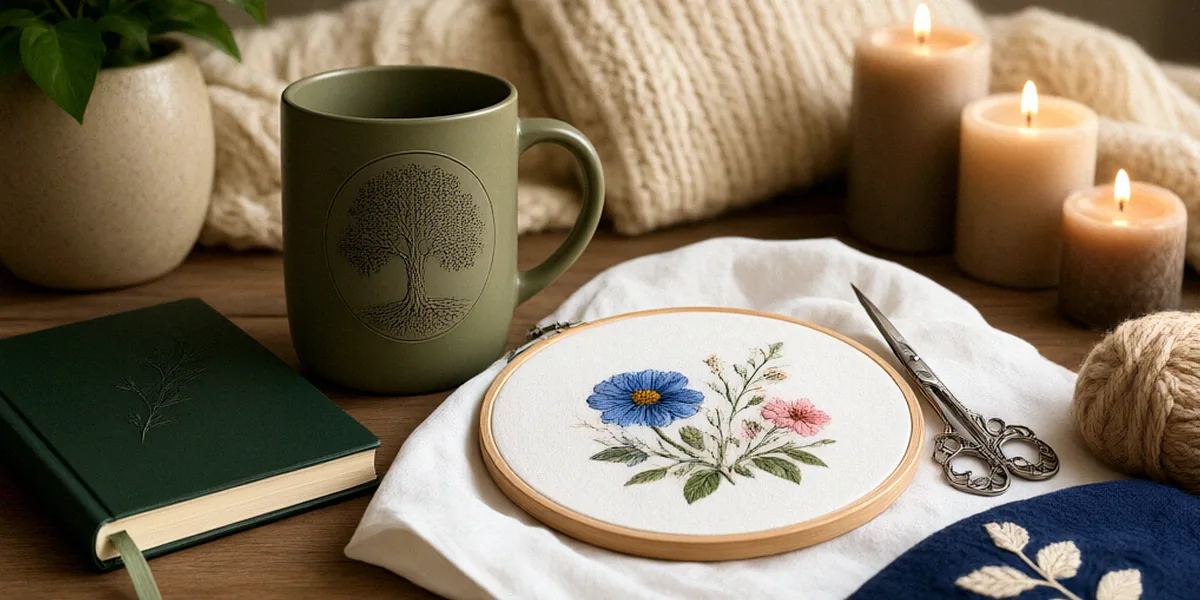
Personalised gifts suit all three occasions because they signal effort rather than expense. Not On The High Street and Etsy UK sellers are our go-to sources for engraved, embroidered and custom-made pieces, and both offer reliable UK delivery and easy returns. Whether it’s a set of engraved champagne flutes or a monogrammed baby blanket, personalisation turns a standard present into something the recipient keeps for years.
Personalised Wedding Gifts They’ll Keep Forever
Engraved champagne flutes, a custom wedding date frame, monogrammed linen or a personalised recipe book of family favourites all work beautifully. Choose something tied to the couple’s shared life rather than the wedding day alone — it’ll stay relevant long after the thank-you cards are written.
Baby Shower Personalisation: Names, Dates and Milestones
Embroidered baby blankets, custom name plaques, milestone cards and personalised keepsake boxes are consistently well received. If the name isn’t yet public, stick to the surname or a neutral design — you can always personalise with the birth date later.
Housewarming Personalisation: Coordinates, House Numbers and More
Custom house signs, engraved keyrings featuring the property’s coordinates, personalised doormats and monogrammed welcome plaques all make thoughtful housewarming gifts. They’re practical, decorative and quietly personal — exactly the balance UK etiquette favours.
Common Gift Etiquette Mistakes to Avoid
Most gifting faux pas come down to a lack of attention rather than a lack of generosity. Buying off-registry, forgetting the card, handing over cash in a plain envelope or assuming every baby shower is a surprise party are all easy traps. UK etiquette broadly favours understatement over extravagance — a modest, well-chosen gift almost always lands better than an expensive one that misses the mark.
Don’t Ignore the Registry (Unless You’re Sure)
If a registry exists, use it. The only exception is when you know the recipient extremely well and have something genuinely more meaningful in mind — and even then, it’s wise to check first.
Avoid Overly Expensive Gifts That Embarrass
Giving far more than expected can create awkwardness, particularly at baby showers or housewarmings where the norm is modest. Match your gift to the occasion and the relationship, not to your own budget ceiling.
Don’t Bring a Plus-One Gift Without Checking
If you’re attending an event with a partner, check whether the gift is from both of you or just you. Turning up with two separate gifts when everyone else has pooled resources can feel odd, and vice versa.
FAQ
Is £50 enough for a wedding gift in the UK?
Yes, £50 is a perfectly acceptable amount for a wedding gift, particularly if you’re attending alone or don’t know the couple especially well. The typical range is £50–£100 per guest, with closer friends and family often spending more.
Should I bring a gift to a baby shower if I’ve already bought something for the birth?
If you’ve already arranged a separate birth gift, a small token at the shower — a card, some muslins or a book — is plenty. There’s no obligation to double up, and most parents appreciate the thought rather than the volume.
What’s a good housewarming gift under £20?
A good bottle of wine from Majestic, a small houseplant from Patch, a scented candle or a personalised mug all sit comfortably under £20 and are reliably well received.
Can I give cash at a UK wedding?
Yes. Cash is widely accepted, especially when framed as a contribution to a honeymoon fund or house deposit. Present it in a card with a handwritten note rather than a bare envelope.
Where can I find personalised gifts in the UK?
Not On The High Street and Etsy UK are the two most reliable sources for personalised gifts, offering everything from engraved glassware to custom house signs, with UK-based sellers and straightforward delivery.
Ultimately, gift-giving across weddings, baby showers and housewarmings comes down to paying attention. Respect the registry where one exists, spend within a range that feels comfortable for the relationship, and always include a handwritten note. If you trust your judgement and keep UK etiquette norms in mind — understated, thoughtful, personal — you’ll rarely get it wrong. The gesture matters far more than the price tag, and the recipients who matter most will know you meant well.


Post Comment